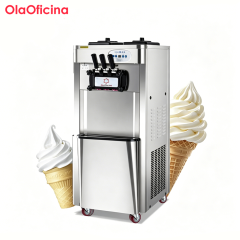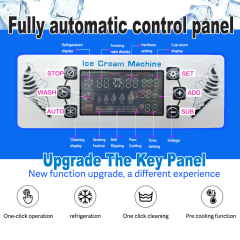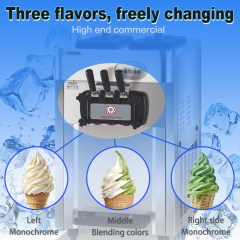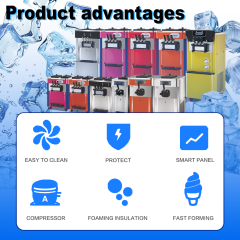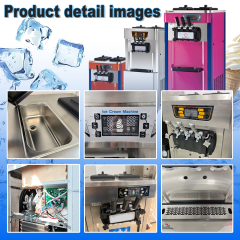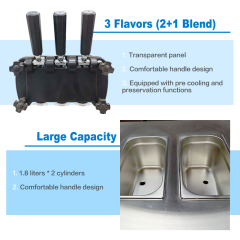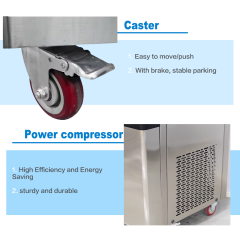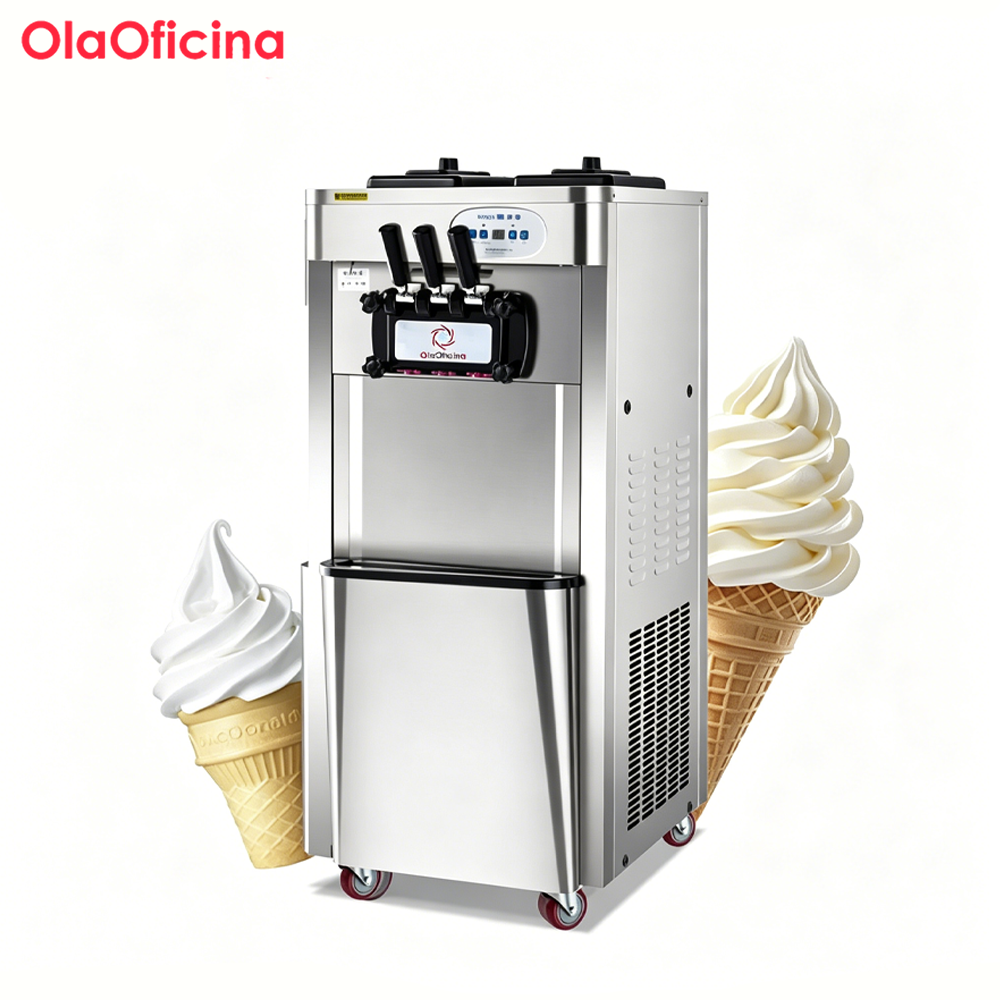
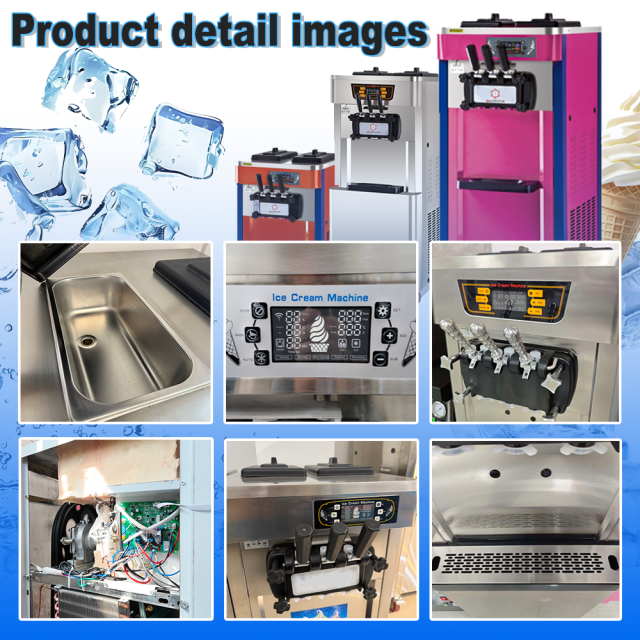
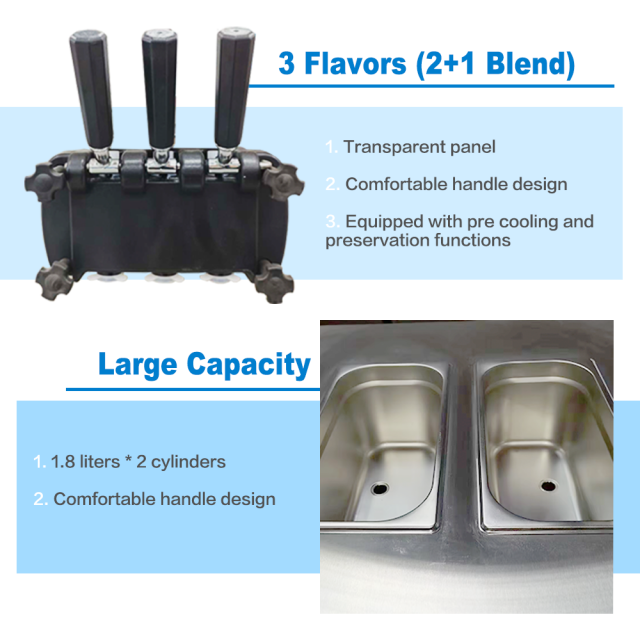
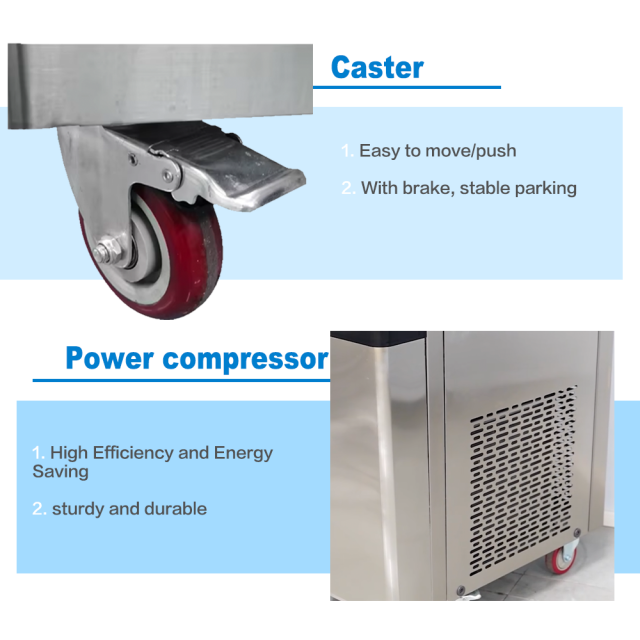
What this machine is
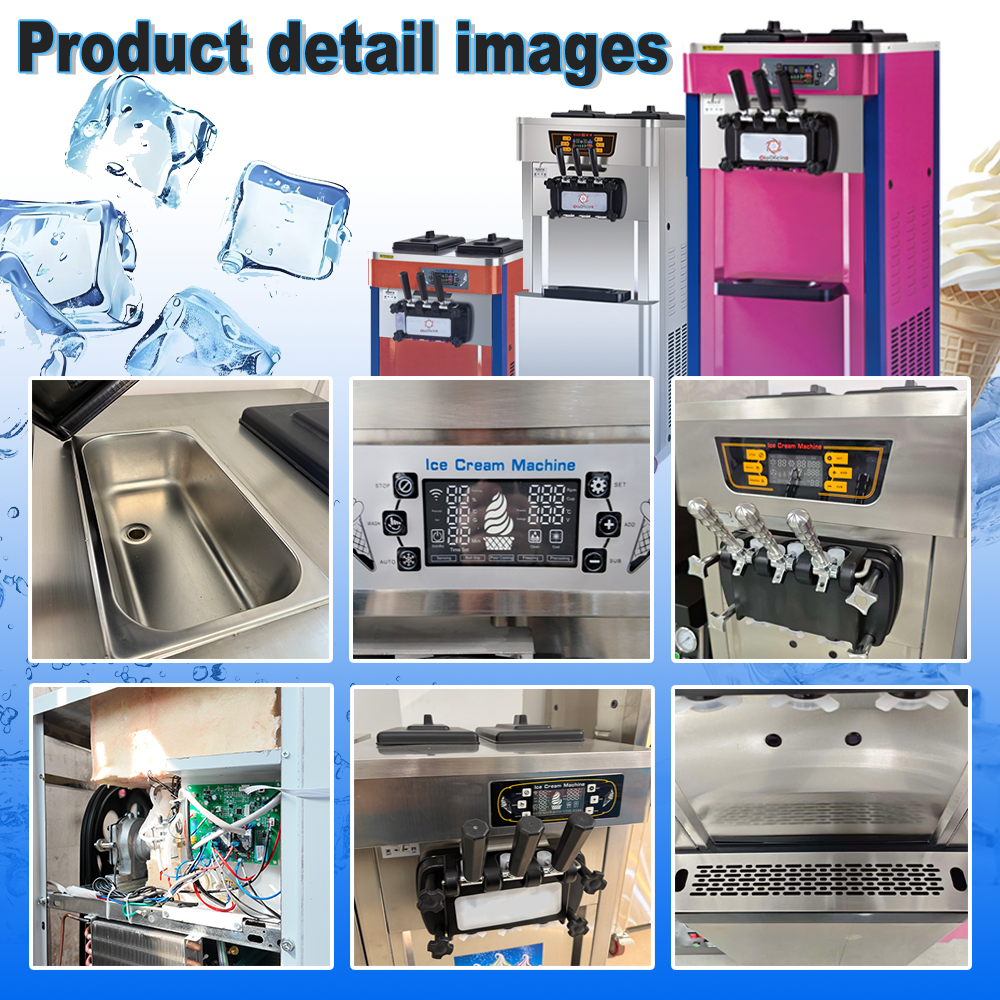
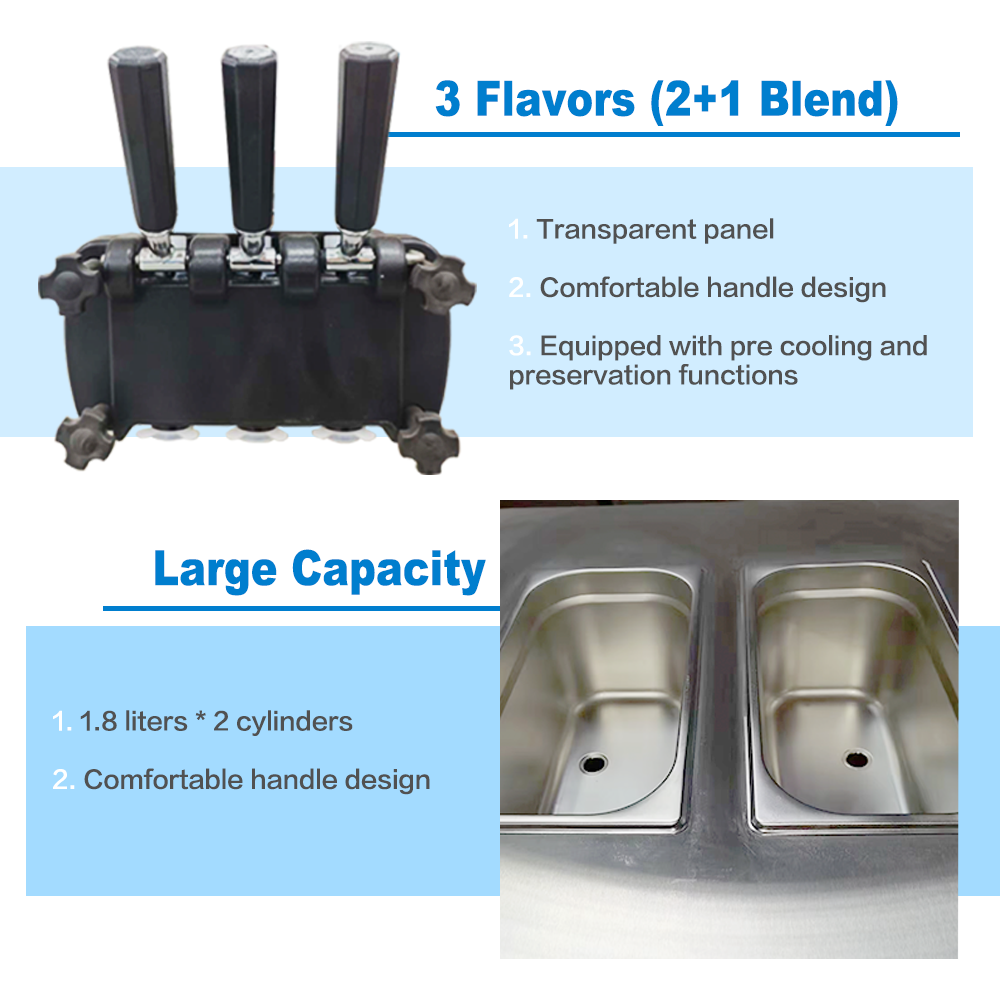
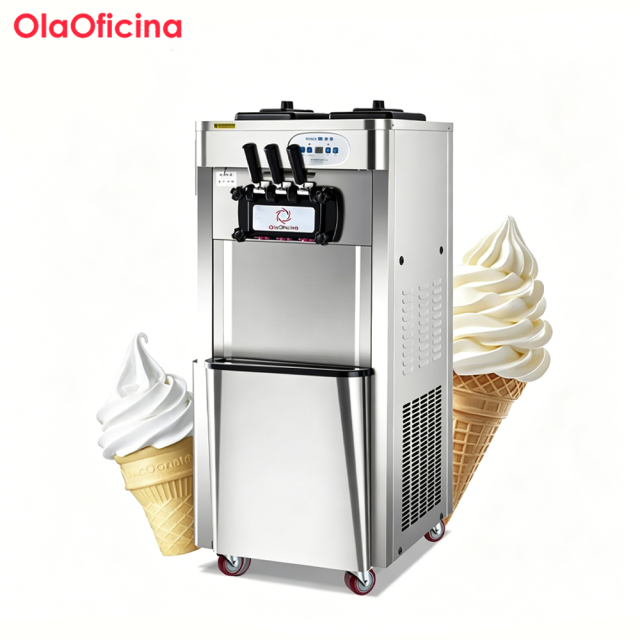
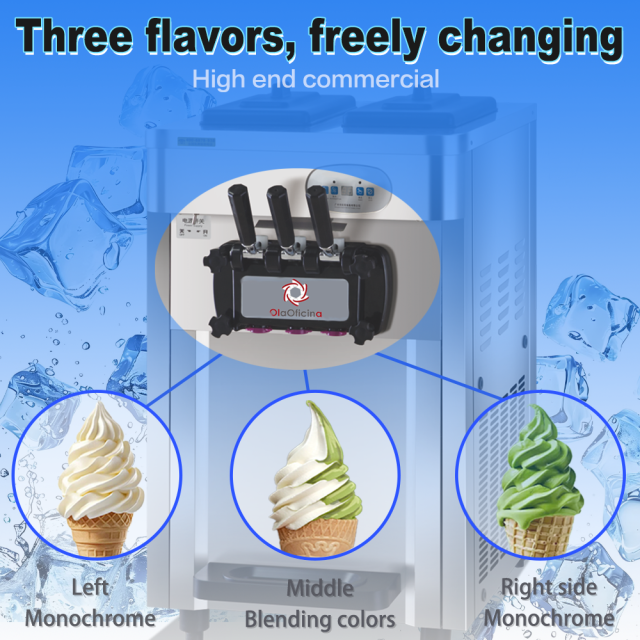
An ice cream machine maker that works a commercial shift rather than a home counter: prepared mix goes in, the machine freezes it, and staff draw the finished dessert straight into cones, cups or tubs during service. It arrives as one self-contained unit, so the dessert station does not need a production area built behind it.
Where it earns its place
Adding a commercial ice cream maker machine to the line is usually the least disruptive way to extend a dessert menu. The machine takes one position on the bench, and the rest of the work is mix, cones and toppings that the existing team already handles. It suits outlets that would rather serve their own frozen dessert than buy it in, and it is a sensible replacement for an older machine that has started to behave differently at peak times.
What we settle before it ships
Ice cream machines are built to different market standards, so output, supply voltage and the accessory set for the model you order are confirmed with your sales contact before the order is finalised. Send your outlet type, your busiest service period and the market the machine will be installed in, and our team will come back with the build that matches those three answers.
| Item | Detail |
|---|---|
| Model | No.ICL30S |
| Machine type | Commercial ice cream machine |
| Typical settings | Cafés, dessert shops, restaurants, hotels, catering kitchens |
| Output capacity | Confirm against your busiest service period before ordering |
| Supply voltage and frequency | Confirm for your destination market |
| Dimensions and weight | Confirm before the counter or floor plan is finalised |
| Refrigerant | Confirm the specification supplied to your market |
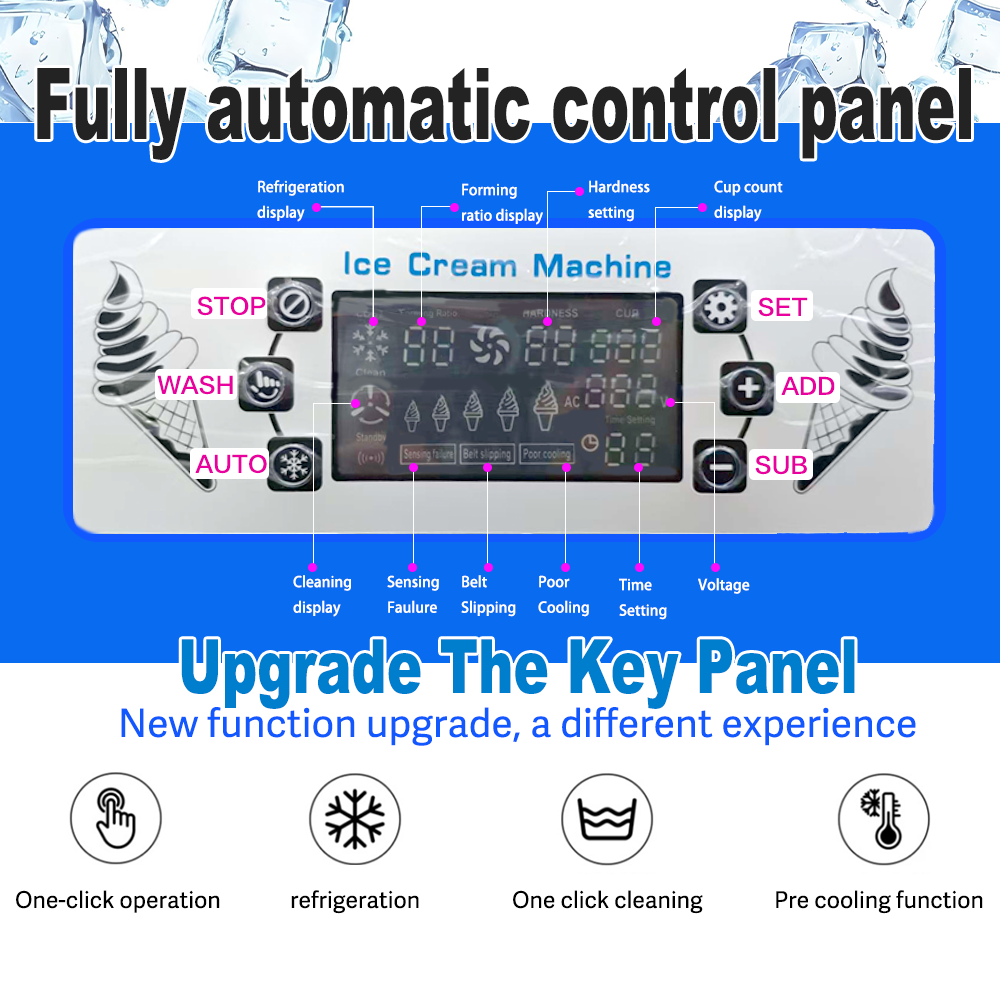
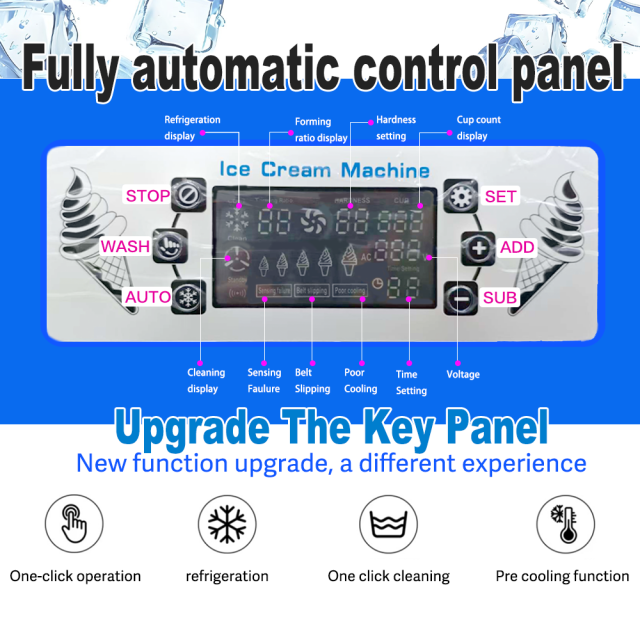
| Control and operation | Confirm the current build with our team |
| Documentation | Specification sheet, user manual and parts list on request |
| Spare parts | Wear parts and replacement components supplied through our team |
| Installation requirements | Confirm plumbing, drainage and clearance for your site |
Between services
Clean-down is the part of running an ice cream machine maker that decides how long it stays reliable. At the end of each service, draw off and discard any mix that will not be sold, wash the food-contact components in warm water with a food-safe detergent, rinse them thoroughly and let them air-dry before reassembly. Finish with a sanitiser intended for food equipment; guessing the strength of a household cleaner is not the same thing.
Every week
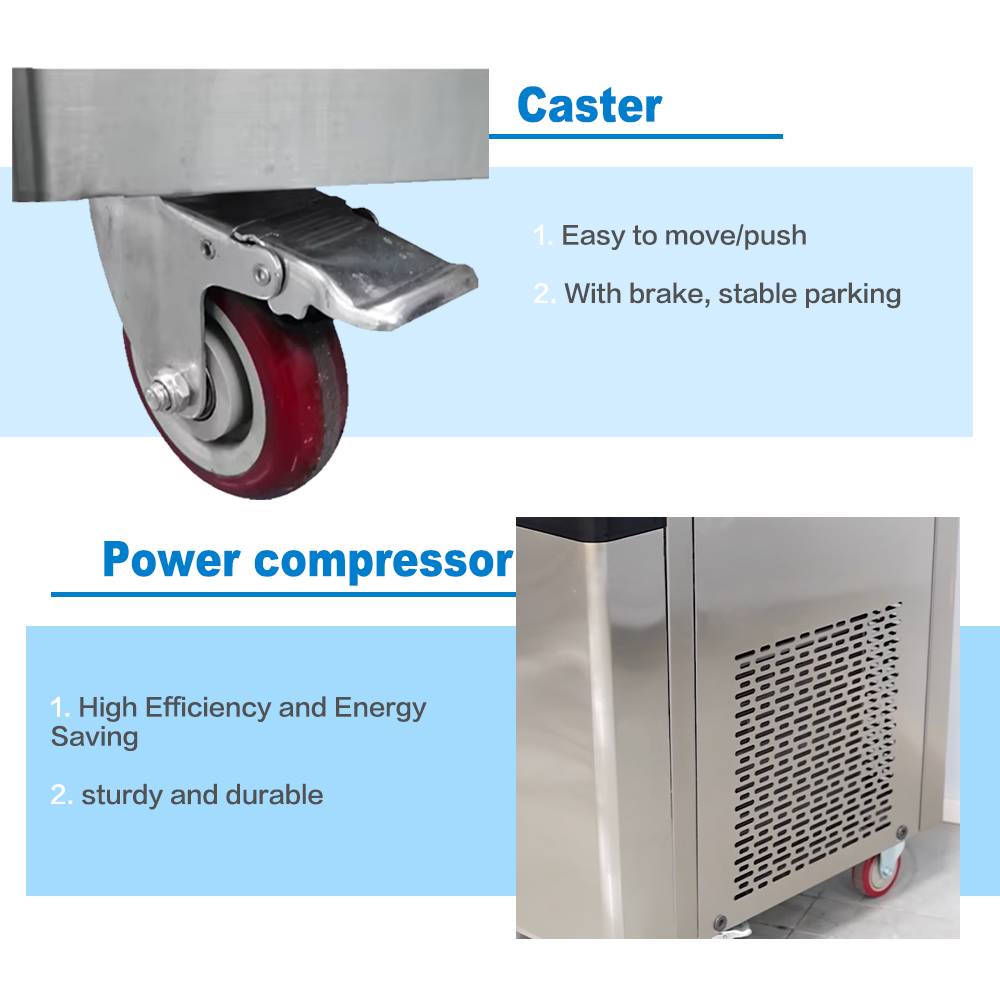
An ice cream maker machine sitting on a busy counter collects more dust and kitchen grease than anyone expects. Wipe the exterior with a soft cloth and mild detergent — abrasive pads, scouring powder and solvent cleaners dull the panels and can lift printed labels. Clear dust and grease from the ventilation and condenser area so the machine can reject heat, and empty and wash the drip tray before it becomes a smell.
Overnight and longer breaks
Mix left standing in the machine overnight is the most common way to spoil the next morning's first batch and add cleaning time before opening. Draw the machine down at the end of service, or follow the manual's standby routine if the machine will be used again within a few hours. For a seasonal shutdown, defrost and drain it fully, dry the food-contact parts, and leave the lid or door open so air can move through the barrel.
Mistakes worth avoiding
Cleaning parts while they are still frozen or very hot distorts them faster than daily use ever will. Refitting components wet leaves water in the product. Boxing the machine into a closed cabinet, or pushing it flat against a wall, starves the condenser. And keeping a gasket that has gone hard because it still seems to seal usually ends with mix on the counter.
| Document | What it covers |
| Specification sheet | Output, electrical data and dimensions for the model you order |
| User manual | Installation, daily operation, cleaning and basic troubleshooting |
| Parts list | Component names and reference numbers for repairs and spares |
| Installation guide | Site preparation, role and first-run checks |
| Cleaning guide | Daily clean-down and periodic deep cleaning of food-contact parts |
| Packing list | What is inside the crate, so the delivery can be checked on arrival |
| Layout and connection details | Available for the model you order where drawings have been prepared |
| Language | English manuals and operating guidance are available for many of our products; ask which set applies to your machine |
| How to get them | Request the file set from your sales contact and keep a copy with the machine |
Ola Oficina Co., Ltd is a professional kitchen equipment supplier serving hotels and restaurants, and we work with buyers who would rather source from a company covering a full range than from several separate vendors. Purchasing, documentation and communication stay with one team from enquiry through delivery. OEM and customisation enquiries are welcome — share your branding or configuration requirements and we will confirm what we can support. Send us your project details and we will reply with availability, production scheduling and shipping arrangements.
Ice cream machines are built for the market they are sold into, and supply standards differ from country to country. Send your site's voltage, frequency and plug type, and say whether the machine will run from a single-phase or a three-phase supply; our team will then confirm the version of this commercial ice cream maker machine that suits your site. It is worth settling early, because a unit built for one supply is not simply re-plugged for another.
The working space matters more than the footprint. You need clearance behind and beside the unit for airflow, and enough room in front for an operator to fill cones and clean down without leaning over other equipment. Treat the ice cream maker machine itself as the smaller half of the calculation: measure your counter or floor position, check that doors, corridors and any lift will take the crate on delivery day, and send us the measurements so the site and the unit are matched before dispatch.
Most soft or slow results come down to one of four things: mix that went in too warm, a recipe running high in sugar or alcohol, a condenser that has not been cleaned recently, or an ice cream machine maker being asked for more output than it was sized for. Work through them in that order and run a fresh batch. If the result still misses your standard, contact your sales contact with the model, the mix you used and what you are seeing, and our team can work through it with you.
Keep at least one set of the parts that wear with daily use — the mix-handling components and the seals and gaskets on the food-contact side. Order by the part numbers on the parts list for the model rather than by description, and keep the set with the machine. A worn gasket then becomes a change of part instead of a lost service.
Not every ice cream maker machine commercial kitchens install needs plumbing; some positions work with a power outlet and a wash-up point nearby. The requirement depends on the build, so confirm it for the unit you order rather than assuming. Tell us what your site has — a water point, a drain, and a clear route from the position to the power outlet — and our team will confirm what the machine needs and whether the spot you have chosen will work.