
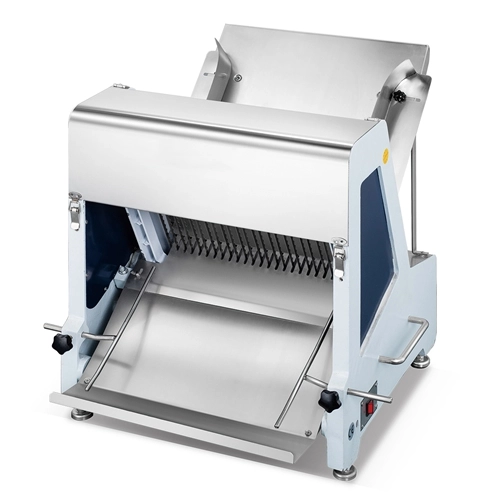
SX Bread Slicer
Innovative design-removable and changeable knife slicer, to offer maximum flexibility of different slicing demands. National intellectual patent is being applied. Easy operation and reliable, modern…
View productEvery commercial ice maker enquiry we handle starts the same way: four site details in, one configured answer out. This guide walks those four details in the order a build actually depends on them, so the commercial ice maker machine you end up with is one your kitchen can run, clean and keep stocked on its busiest day.
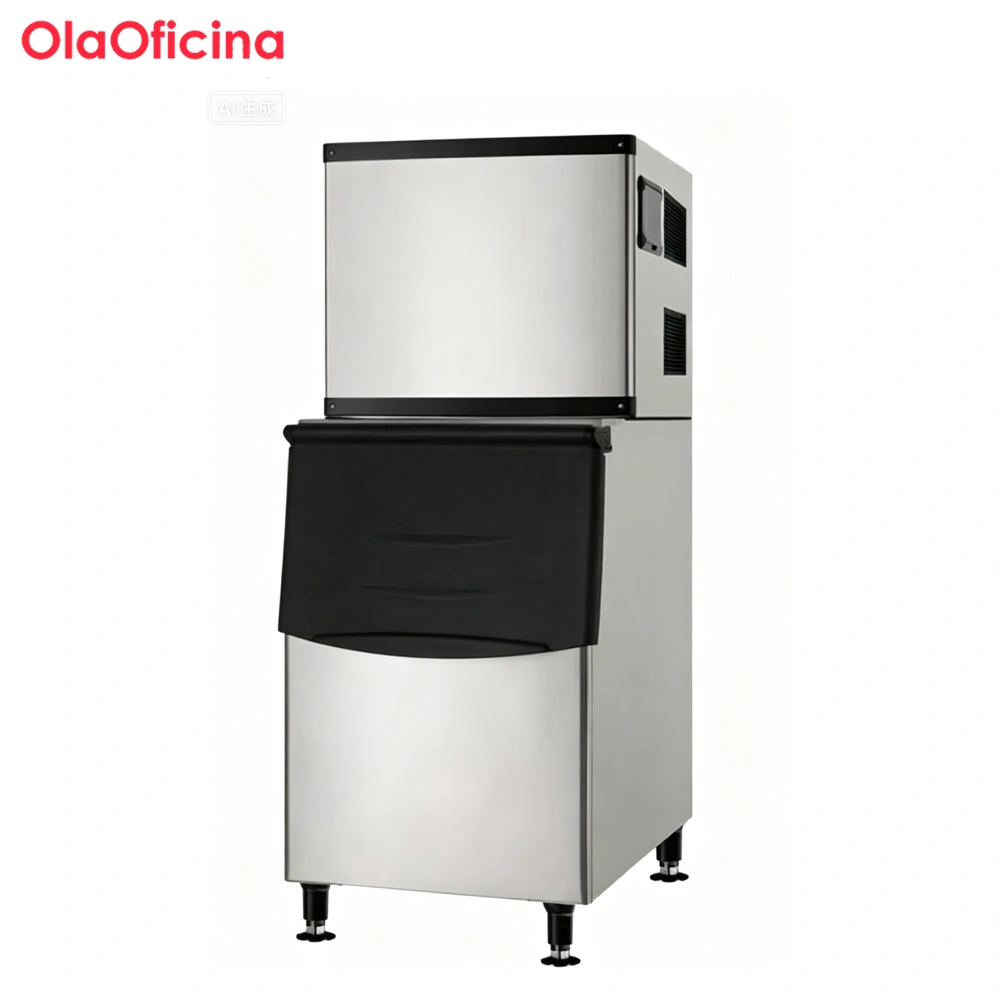
How much ice leaves the bin at peak service, counted in scoop loads rather than guessed.
Width, depth and height of the position, plus lid swing and room to empty and clean.
Where mains water arrives and where the gravity drain has to run to.
The supply and plug type at the exact spot the machine will stand.
Most ice machine pages lead with a single output figure. The No.G200 page does not, and that is deliberate: the ice machine is specified for daily service in a foodservice environment rather than occasional weekend use, and its output is stated as matched to your daily requirement. The number that decides whether a machine keeps up is the one your busiest service produces, and only you can count it.
What the machine does publish is the set of variables that change a build. Voltage, plug type, water inlet and drain detail are checked against your site before the order is built. Footprint, lid swing and service clearance are confirmed on the dimensioned drawing. Air-cooled availability is confirmed on enquiry. Those four answers move a project further than any headline capacity tier, because they decide whether the unit fits the gap, drains where it should and plugs into the supply you already have.
A capacity number tells you what a machine can do in a test. Your busiest day tells you what it has to do in your kitchen.
Use this page as a specification method rather than a spec sheet. Work through the five steps below in order, write the answers down, and the enquiry you send already contains everything a build decision needs. The full product page for the unit itself is here: the No.G200 ice machine.
Ice demand is not a monthly total. It is a shape: a quiet mid-morning, a rush at lunch, a second rush at nine. Count the rush.
| What to count | How to count it | What to write down |
|---|---|---|
| Serves per hour at peak | Stand at the pass through one full rush and tally every drink that takes ice. | Peak serves per hour |
| Scoops per serve | Ask the server how many scoop loads go into your largest-selling iced drink, then note the smallest and largest. | Scoop loads per serve |
| The day that actually hurts | Repeat the count on your highest-cover day of the week, not the day that is easiest to observe. | Peak-day total in scoop loads |
| The refill window | Note the time the bin runs low and how long a refill takes while service is still running. | The window the machine must cover |
Peak versus average: a machine sized on average covers a quiet Tuesday and runs out on a Saturday. Write down the peak — the number the machine has to survive, not the number it has to match.
What you write down goes straight into the quote. Ice output on this machine is matched to your daily requirement, so the count you send is the count the build is configured against.
The unit can be planned onto a counter or into an undercounter gap, and both roles are legitimate — the question is which one your kitchen can actually live with. Final footprint, lid swing and service clearance are confirmed on the dimensioned drawing, so the measurement you send becomes the drawing you check.
Measure the width, depth and height of the intended position. Then measure the two things people forget: the overhead clearance the lid needs to open fully, and the floor space in front of the machine that a server stands in while emptying and cleaning the bin.

Buyer decision: bench role or undercounter role. Send the position measurements and a photo, and the footprint, lid swing and service clearance come back confirmed on the dimensioned drawing.
The machine takes a mains inlet and a gravity drain, both confirmed on site. Gravity is the operative word: the drain has to fall away from the machine, so the route matters as much as the connection point. Water inlet and drain detail are checked against your site before the order is built.
Water quality belongs in the same conversation. Hard water leaves scale on every surface the water touches, and scale is the quiet reason a machine loses performance long before anything breaks. If your supply is hard, say so in the enquiry so the inlet side can be planned with filtration in mind rather than corrected later.
There is a second drain path inside the cabinet too: the shaped bin floor and corners let meltwater drain away instead of pooling under the ice. That is why the drain route is a hygiene decision as much as a plumbing one.

Buyer decision: where the drain runs and whether filtration is needed at the inlet. Both are settled by a photo of the route, not by a description.
The electrical supply is configured for your market. Voltage and plug type are checked against your site before the order is built, which is precisely why the power supply at the intended position is one of the four details the enquiry asks for.
Send what you can see rather than what you assume: the socket or outlet the machine will use, the plug type already fitted in the building, and the rating shown on the distribution board for that circuit. A photo of the board label usually answers more than a paragraph.
Cooling method sits in the same envelope. Air-cooled availability is confirmed on enquiry, so the clearance around the cabinet and the air path in the room are part of what the drawing check covers.
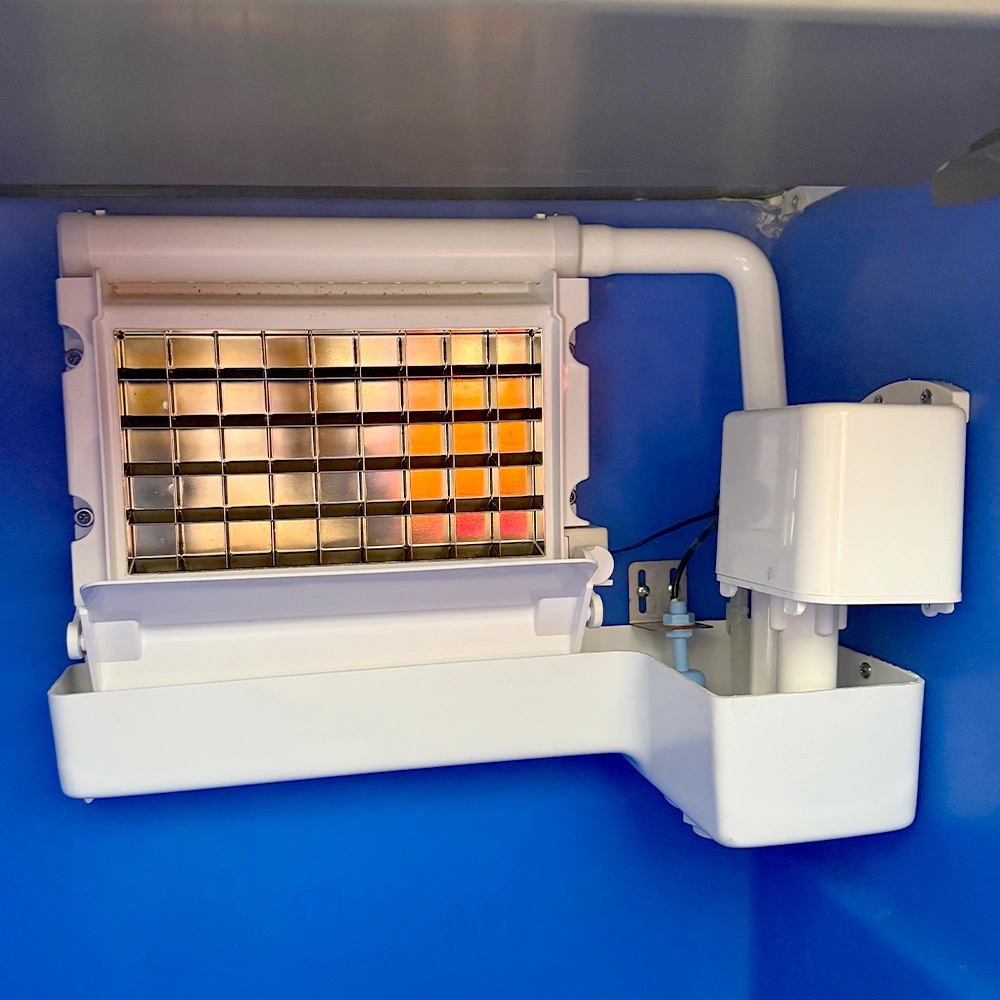
Buyer decision: send the site power detail once, before the build, so the machine arrives configured for the supply you have.
Ice form is confirmed against your drinks programme, because the serve decides it. Long mixed drinks, fast soft-drink service and a display bowl full of ice all pull from the same bin in different ways — and the layout is designed around service ergonomics, with the bin, the scoop position and the lid arranged so a serve is quick.
Three habits keep that layout working. Use the scoop, never a glass or a hand. Keep the lid closed between servings. Do not store bottles or cans in the bin, since they block the ice and put glass where food contact belongs.
Describe your drinks programme in plain terms when you enquire: the top three iced drinks, the glassware they go into, and whether ice is picked up by staff or by customers. That description is what a form decision is checked against.
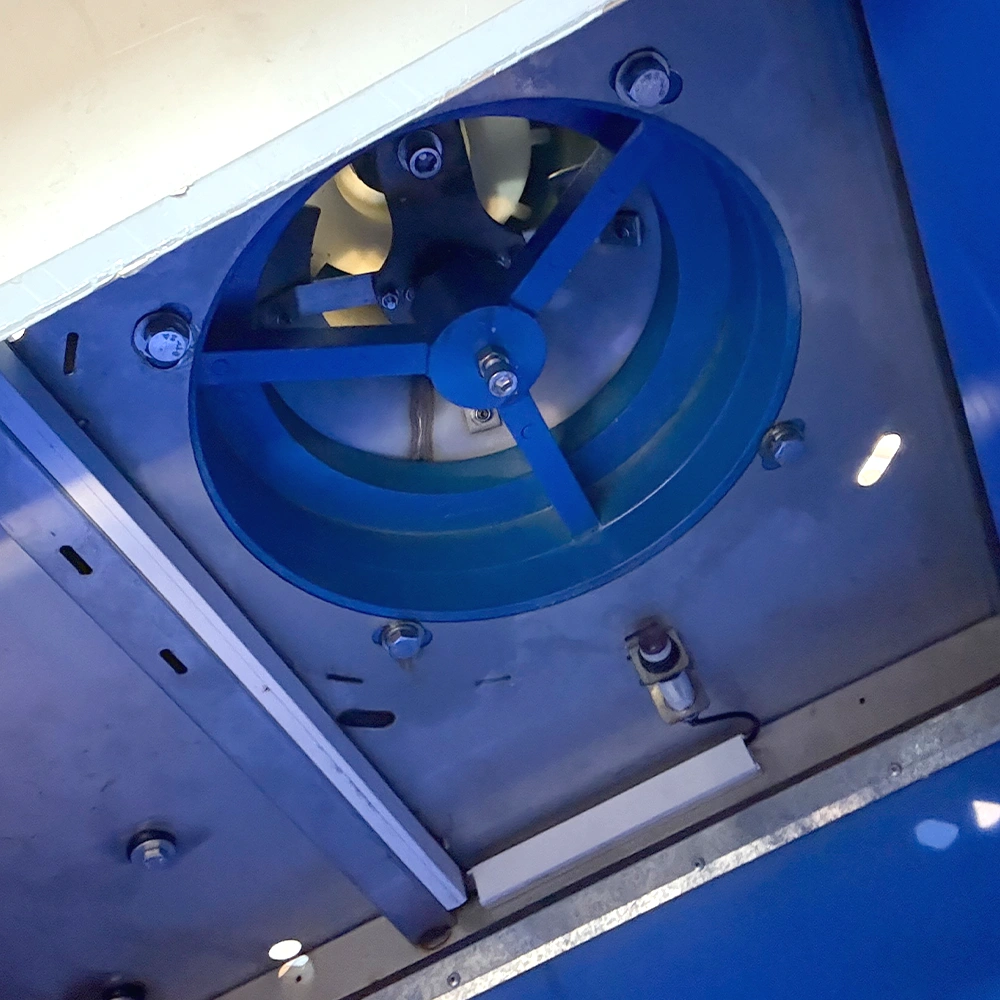
Buyer decision: the ice form and the pickup point. Both are set by your drinks programme, then confirmed before the order is built.
A commercial kitchen is steam, splash and a lid being opened several hundred times a week. These are the construction decisions the No.G200 is built around.
The body, the lid and the parts the ice touches are stainless steel, so they wipe down easily and stand up to steam and splash. The bin and the ice-contact parts are reached without dismantling the machine.
The cabinet finish is brushed rather than mirror-polished, which hides everyday fingerprints and marks instead of showing every hand that has touched it.
The bin is insulated, so ice you have already made is not melting while the machine makes more of it.
The floor and corners are shaped so meltwater drains away instead of pooling under the ice — the difference between a clean bin and a wet one at the end of service.
Feet, lid hardware and gaskets are the components expected to be replaced over the machine's life, so maintenance is a known list rather than a surprise.
Panel joints and the frame are assembled so the body stays square after years of lids being opened and bins being emptied.
The same machine, four different conversations. Find the row closest to your operation and start there.
Peak serves per hour and a photo of the counter with the lid open.
Bench role and the lid swing beneath whatever shelf sits above the counter.
The unit can be planned onto a counter; footprint and clearance come back on the dimensioned drawing.
Scoop loads per serve for your top three drinks, plus the drain route.
Ice form against the drinks programme, and where the gravity drain falls to.
Ice form is confirmed against your drinks programme; the drain is mains inlet and gravity, confirmed on site.
Your busiest-day count and the refill window during service.
Output matched to daily requirement, and whether the bin layout suits pickup at a station.
Output is matched to your daily requirement; the bin, scoop position and lid are laid out so service is quick.
The distribution board label and the undercounter opening.
Undercounter role and a supply configured for your market.
Voltage and plug type are checked against your site before the order is built.
| Build field | How it is settled for No.G200 |
|---|---|
| Model reference | No.G200, in the Ice Making Equipment range. |
| Machine class | Commercial grade ice maker, specified for daily service in a foodservice environment. |
| Body material | Stainless steel body, lid and ice-contact surfaces; brushed cabinet finish. |
| Ice output | Matched to your daily requirement — no headline figure is published in place of your own count. |
| Ice form | Confirmed against your drinks programme. |
| Electrical supply | Configured for your market; voltage and plug type checked against your site before the order is built. |
| Refrigerant | Stated on the specification sheet. |
| Cooling | Air-cooled availability confirmed on enquiry. |
| Footprint | Bench or undercounter; confirmed on the dimensioned drawing. |
| Water and drainage | Mains inlet and gravity drain; confirmed on site. |
This is a quote-built machine, not a shelf item: nothing about the supply side is assumed, and each row above is answered by one of the four details you send.
One message with the four answers below is enough to start a build conversation. Add a photo of the intended position and the footprint, lid swing and service clearance can be confirmed against your space.
Keep adjacent product options together for a faster catalog comparison.
Innovative design-removable and changeable knife slicer, to offer maximum flexibility of different slicing demands. National intellectual patent is being applied. Easy operation and reliable, modern…
View product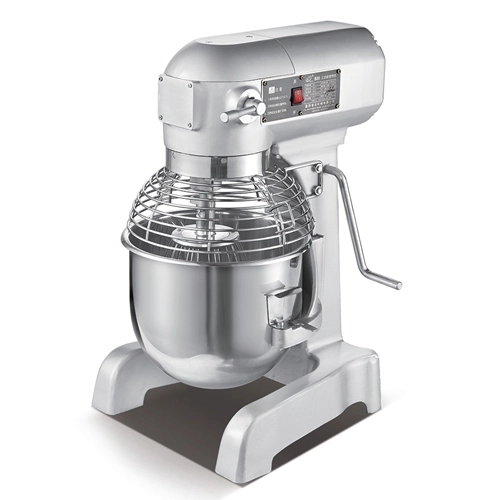
The Globe Food Equipment 3-speed mixer has a gear-driven, high torque transmission and steel shafts and gears that allows you to mix products easily. The cast iron body ensures years of trouble free…
View product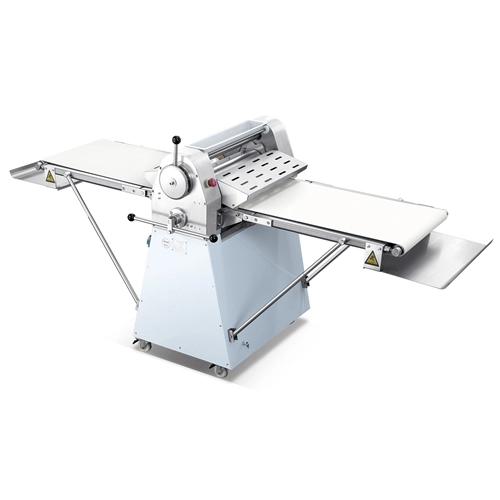
This reversible, bench model dough sheeter from Axis is designed to baking industry sanitation standards and is ideal for sheeting and stretching puff pastry, bread or any type of dough. The dough…
View productthe body, lid and ice-contact parts are stainless steel. the cabinet has a brushed finish that hides everyday fingerprints, and the bin and ice-contact parts can be reached for cleaning without dismantling the unit.
yes. it is a commercial-grade ice maker specified for daily service in a foodservice environment rather than occasional weekend use. it sits in the ice making equipment range.
ice output is matched to your daily requirement. the enquiry process asks how much ice you use on your busiest day, and ice form is confirmed against your drinks programme. no kg/day output is stated on the product page.
it can be planned onto a counter or into an undercounter gap. final footprint, lid swing and service clearance are confirmed on the dimensioned drawing, and air-cooled availability is confirmed on enquiry.
voltage, plug type, water inlet and drain detail are checked against your site before the order is built. the machine uses a mains inlet and gravity drain confirmed on site, and the electrical supply is configured for your market.
feet, lid hardware and gaskets are the wear parts expected to be replaced over the machine's life. the insulated bin helps keep stored ice from melting while more ice is made, and the shaped bin floor and corners let meltwater drain away instead of pooling under the ice.